The first time I had actually coffee beans delivered, I half expected it to feel like dishonesty. Actual coffee, in my head, came from the ritual of the store: the work hiss, the barista's stable hand, the scent of vapor and warm steel. Then a carrier handed me a box that smelled like a rain forest at sunup, and the living-room all of a sudden seemed like a laboratory. If you appreciate taste, Coffee Beans Delivery is much less a benefit and more a means to control variables. It lets you design tastings that make café sessions appear like karaoke after a symphony.
This is a guidebook to sampling coffee at home with beans that get to your doorstep. I'll cover how to pick roasters, what to request when you Get Coffee Beans Delivered, how to establish a sampling without transforming your kitchen area right into a wedding windows registry, and just how to track what you like so you don't maintain purchasing "something fruity" and end up with a citrus grenade. We'll talk about water, oxygen, and the weird methods your nose can lie to you. And yes, we'll discuss Gourmet Coffee Beans Delivery, due to the fact that in some cases you want a bean that makes you message your close friends like you discovered a comet.
Freshness is not a number
The web enjoys to suggest concerning roast date. 2 to fourteen days post roast is often mentioned as the wonderful place for filter coffee, with espresso favoring a much longer remainder, sometimes 7 to 21 days. These varieties work, not holy. I've made Ethiopian naturals at day three that tasted like fizzy blueberry soft drink, and the same beans at day twelve that relaxed right into vanilla and chocolate. Was one much better? Rely on the mixture technique, the water, and your patience.
When you select Coffee Beans Delivery, seek roasters that roast to order or ship exact same day. Request for the roast date, not the ship day. If the roaster uses nitrogen-flushed bags with one-way valves, you get some defense versus staling. Oxygen is the bad guy. When you open the bag, you begin the clock. A lot of beans keep peak character for 2 to 4 weeks after opening up if saved well, with even more unstable aromatics fading in the 2nd fifty percent. Espresso can still taste charming past a month, yet it migrates toward delicious chocolate and nuttiness and away from florals.
Forget freezer myths you heard in university. Freezing can preserve top quality if done effectively in small, sealed parts that you do not continuously thaw. I portion 18 to 20 gram dosages into impermeable vials or bags, freeze them within a pair days of receipt, and grind from frozen. The work behaves a little differently, yet a consistent mill handles it great. Do not ice up an opened up bag, thaw, use an inside story, and re-freeze. That's just how you obtain frostbitten coffee and the preference of disappointment.
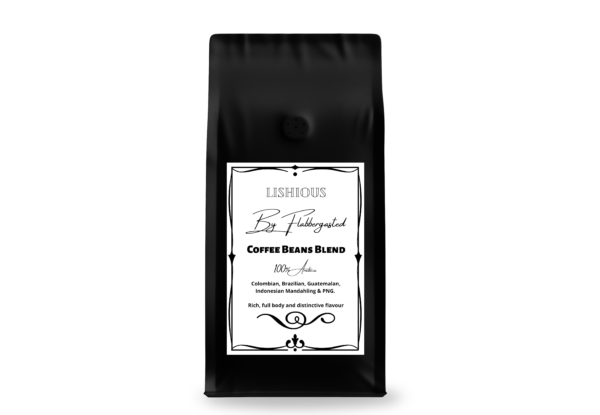
Match the delivery to the mug you want
Every developing approach emphasizes various components of the bean's chemistry. When you order Coffee Beans Delivered, consider your primary method.
For pour-over and trickle you can go light to medium roasts. High-grown washed coffees from Ethiopia, Kenya, Colombia, and Guatemala provide clarity and level of acidity that sings in filter. Naturals bring ripe fruit and a heavier body that some people love, others find cloying. If you brew with a flat-bottom dripper, you frequently obtain a little extra sweet taste and reduced regarded level of acidity than conelike brewers.
For coffee the pressure magnifies defects and intensity. Tool roasts are forgiving. If you like longer milk drinks, blends with Brazil or Colombia bases offer constant chocolate and nut notes and deal with milk without being timid. Lighter roasts can taste electric and layered, yet they require precision and water tuned to avoid sourness. If you run a single central heating boiler or older heat exchanger equipment, a tool roast will certainly make your early mornings smoother.
For immersion approaches like French press or cupping bowls, clearness originates from work and decant timing. Tool to lighter roasts display complexity, while darker roasts can taste great smoky and bitter as the longer contact time essences more of the bitter fraction.
For cool brew, you desire beans that do not collapse right into monotony when made at lower removal temperatures. Tool roasts with chocolate, sugar, or ripe rock fruit notes do well. Ultra-light floral Ethiopian coffees often shed their scented side in cool brew, though there are exceptions.
This is where Gourmet Coffee Beans Delivery radiates. Specialty roasters with accessibility to microlots can match beginning to brew technique with surgical precision. If a roaster keeps in mind that a Kenya abdominal great deal pops in pour-over yet ends up being sharp in coffee, believe them. They cupped it 10 times prior to writing that sentence.
How I set up a home tasting
My initially appropriate home sampling occurred due to the fact that a buddy brought over 4 bags and a grievance. He 'd invested a little lot of money on an uncommon anaerobic all-natural from Costa Rica that tasted like boozy strawberries in the café, after that like balsamic vinegar in the house. We brewed it together with a washed Peru, a traditional washed Ethiopia, and a honey-processed Nicaragua. Very same water, very same grinder, same dripper. The Costa Rica calmed down when we decreased the mixture temperature by 3 degrees Celsius and ground slightly coarser, transforming vinegar right into cranberry compote. One sampling saved a reputation.
At home tastings, regulate what you can and record the remainder. If you're holding, choose two to four coffees. Extra bewilders the taste and the note-taking falls apart. Go for variety in processing and origin to educate your tongue. One cleaned, one natural, one honey or anaerobic covers a lot of ground. If your shipment is a subscription, save 50 grams from each delivery for a month-to-month roundup. Freeze those aliquots if needed.
Use regular ratios. For pour-over, begin at 1:16 coffee to water by weight, then adjust. If 18 grams of coffee to 288 grams of water tastes slim, bump to 1:15. If it's hefty and bitter, dilute or grind coarser. For immersion, 1:15 to 1:17 jobs. Maintain brew water between 90 and 97 Celsius relying on roast. Lighter roasts normally favor hotter water.
I keep a note pad, not an app, because handwriting slows me down and I observe much more. I note date, roast day count, grinder setting, water structure, brew technique, time, and perceptions. Not "good" or "bad," however "lemon zest, jasmine, honeycomb, light body, a touch of pith in the coating." The next time I see "pith," I understand to either drop mixture temp, grind coarser, or adjust water bicarbonate.
Water: the unnoticeable active ingredient that decides everything
If Coffee Beans Delivery is the train, water is the track. You can taste the same Ethiopian coffee at 3 homes and vouch they are various beans. That's normally water composition. Minerals affect extraction and flavor form. Calcium and magnesium aid essence flavor. Bicarbonate buffers acidity. Way too much bicarbonate flattens illumination and intensifies anger. Too little bicarbonate yields punishing level of acidity and sourness.
Tap water varies wildly. In my city, tap water varies seasonally from 40 to 180 ppm overall dissolved solids. I stopped combating and currently make with either bottled low-mineral water or remineralized distilled. A simple dish: 2 grams of magnesium sulfate and 2 grams of calcium chloride blended into a concentrate, after that added in small measured amounts to 1 liter of distilled water to obtain approximately 40 to 70 ppm solidity and 30 to 50 ppm alkalinity. If that sounds picky, make use of extensively offered mineral water with neutral taste and moderate mineral material. You do not require laboratory gear, but a small TDS meter and a cheap scale aid remove guesswork.
Here's the rule of thumb. If a coffee tastes boring even when ground penalty and brewed warm, and your method is strong, lower alkalinity. If a coffee tastes sour and slim in spite of affordable removal, bump alkalinity slightly or elevate mixture temperature level a level or 2. Maintain notes. Water adjustments that fit a Kenya might smother a Panama Geisha.
Grinding without the guilt
I have resided on both sides of the grinder dispute. I utilized a $120 cone-shaped burr for many years and thought I was extracting like a pro because the coffee tasted pleasant. Then I bought a level burr mill made for filter, not coffee. Exact same beans, very same water, very same dripper. Suddenly the blueberry in the Ethiopian cleaned was specific, like blueberry jam, not berry cloud. Acidity turned from sourness right into shimmering quality. Not every person requires a costs mill, yet burr geometry and positioning issue even more than many developing gadgets combined.
If you're getting Coffee Beans Delivered and buying flavor, placed a lot more budget into the grinder than the maker. A suitable burr mill produces consistent fragments that remove predictably. An irregular work, with lots of fines and rocks, forces you to select between underextracted slimness or overextracted anger. For coffee, micro-adjustment actions are vital. For filter, consistency beats near-infinite adjustability.
Grind dimension is the bar you'll draw most often in a home sampling. If coffees across the board preference hollow and the brew trickles rapidly, you are too crude. If the drawdown delays and the cup tastes harsh and ashy, as well fine. Lighter roasts typically need finer grinds than you expect. If a coffee tastes salted or paper-like, examine grind and filter rinsing prior to condemning the beans.
The routine of cupping without the ceremony
Professional cupping has a lot of ritual that makes sense in a laboratory and feels stale at home. You can strip it down and get 90 percent of the value in a small kitchen area. Use 2 the same bowls per coffee, about 12 grams of coffee to 200 grams of water. Grind medium-coarse, pour water at 93 to 96 Celsius, and don't mix for 4 mins. Damage the crust with a spoon, skim the foam, and begin sampling around 8 to 10 minutes as the mixture cools down. Create notes, then return at 15 minutes and 20 mins. Flavors create, and off-notes get louder as the temperature drops.
Cupping such as this tells you things a pour-over can conceal. You can spot hidden fermentation, harsh bitterness, or an environment-friendly, verdant freshness that signals underdevelopment. If a coffee tastes pleasing in cupping, you can typically make it sing in your recommended brew technique. If it tastes flawed in cupping and only tastes excellent when boldy filtered, you may be complicating your brew to mask a bean that doesn't suit you.
Delivery alternatives and exactly how to pick what fits your life
Coffee Beans Distribution comes in a few shapes. At the basic end, a single roaster registration that ships the very same blend or a rotating single origin on a repaired timetable. At the adventurous https://griffinsuou378.timeforchangecounselling.com/just-how-to-maintain-your-beans-fresh-with-coffee-beans-delivery end, multi-roaster memberships that curate flights based upon your preferences. Pay attention to the details: roast day, shipping rate, roast degree alternatives, and whether you can pause or skip. If you take a trip usually, the capability to postpone a delivery conserves you from a counter loaded with stagnant beans.
For newbies, a roaster with solid quality control and clear sampling notes defeats a buzzy name chasing after novelty. Consistency instructs your palate much faster. For skilled enthusiasts, multi-roaster trips are a way to calibrate. You can taste why a Brazil from a specialized merchant radiates when a different merchant's lot from the exact same region fails. If you're deep into the leisure activity, Gourmet Coffee Beans Delivery solutions can obtain you experimental processing and rare varietals. Simply be ready for risks. You could enjoy a carbonic maceration coffee so much you spend the rest of the month chasing it, or you might uncover it tastes like merlot and bubblegum and choose you like a simple washed Guatemala after all.
Vendors vary on work choices. Constantly select whole bean unless you absolutely can not, since ground coffee stales in hours. If you should order ground, align shipment with your intake window. For coffee, pre-ground seldom executes well unless your device has unusual resistance for variation.
The instance for blind tastings at home
Your brain enjoys tags. If a bag says "jasmine, bergamot, peach," you will discover jasmine, bergamot, and peach, even if the mug preferences like apricot and black tea. When I run tastings, I cover the bags and assign letters. I brew in random order and compose notes before I uncover them. It's astonishing just how commonly the favorite is not the most costly or rare coffee, and how a humble day-to-day enthusiast exceeds the flashy anaerobic.
Blind sampling additionally curbs brand prejudice. I've had two great deals with virtually identical ranch details from 2 reputable roasters. Blind, the better, cleaner great deal won all. Revealed, half the table intended to modify their ratings to match the brand they chose. Don't. Trust fund your notes.
Dialing in espresso without losing your mind
Espresso turns sampling right into mathematics class. It helps to make little, noticeable modifications and videotape them. Begin with proportions. A common beginning point is a 1:2 ratio: 18 grams in, 36 grams out, in 25 to 35 seconds. Keep the dose and return continuous while changing work to hit time and preference. If the shot is sour and the crema blonde, grind finer. If it's bitter and the stream is sluggish and dark, grind coarser. Roast age matters. Numerous light roasts just clear up right into a well balanced shot at day 10 or later. If you open up the bag at day 2 and preference lemon peel and sound, do not panic. Let it rest.
Water issues below too. Machinery scale control issues a lot more. If you have hard water, run a softening solution or make with low-scale water developed for devices. Descaling a maker that has baked range is an excellent way to ruin it. Prevent range as opposed to cleaning it later.
Milk drinks can hide wrongs, but they likewise award sweet taste. If your coffee tastes flat, don't reach for sugar first. Adjust extraction. A a little much longer fired with a hint of extra return can bump sweetness. Milk temperature influences flavor. Quit the vapor at around 55 to 60 Celsius. Hotter milk preferences dull and burns complexity.
Processing, varietals, and what actually matters in the cup
When you start tasting coffee in flights, you'll fulfill processing words that seem like a wine maker's journal: cleaned, natural, honey, anaerobic, carbonic maceration, dual fermentation. Each points to options that alter the cup. Cleaned has a tendency to display beginning clarity. Naturals press fruit and body, often at the price of cleanliness. Honey beings in between. Anaerobic and carbonic maceration can enhance fruit and spice, and likewise present unstable tastes that taste like cinnamon or wine-like funk.
Here's the trap. A procedure can be amazing when, after that tiring. I maintain an all-natural or an anaerobic in turning like an after-dinner drink, not a house put. For daily alcohol consumption, I lean on washed great deals that supply a trustworthy profile and age gracefully. If you're discovering with a registration, mark which refines you keep completing first. That's your taste telling you to reorder.
Varietals like Geisha, SL28, Caturra, Bourbon, and the newer hybrids issue, though handling and roast commonly eclipse it. Geisha tends to give florals and tea-like elegance. SL28 brings blackcurrant and citrus. However inadequate roasting can bury varietal personality, and water can misshape it. Allow varietal notify interest, not determine purchase.
Storage that actually works
You'll read a whole lot about elegant canisters. Some assistance, some look excellent on Instagram. The fundamentals are uncomplicated. Keep beans in their original high-quality bag with a one-way valve, squeezed of excess air, inside a great, dark cupboard. If you make daily, that's enough. If you intend to extend an unusual coffee, split it into smaller sized impermeable containers and freeze those portions as very early as possible. Tag the portions with roast day and portion size. Grind from adhered prevent condensation.
Avoid clear jars on the counter. Oxygen and light do what they constantly do. If you need to decant, utilize opaque cylinders with limited seals and don't open them 5 times a day to smell. Your nose can take pleasure in the brew instead.
When delivery lets you travel by mug
There's a love to regional flavor that shipment makes functional. One winter months I ran a tasting developed around elevation. A Peru whole lot from 1,400 meters, a Guatemala from 1,700, and an Ethiopia from over 2,000. Same medium-light roast degree. The Peru gave toffee and almond with smooth level of acidity. The Guatemala introduced apple illumination and chocolate. The Ethiopia was all citrus peel and florals with a light body. Not a controlled experiment, yet close enough to feel those altitude changes. The delivery tag was an aircraft ticket I really did not have to book.
Some distribution solutions use origin-themed months. If you can change your plan to "Africa month" or "Americas month," do it. Your taste discovers relationally. You don't simply learn what a Kenya tastes like, you find out just how a Kenya contrasts with a Colombia, and exactly how both change when refined differently or roasted a notch darker.
The truthful math of cost and waste
Gourmet Coffee Beans Delivery can range from 15 to 30 bucks per 12-ounce bag, with rare great deals commanding a lot more. If you brew 20 grams per morning, a bag lasts around 17 days. Weekly distributions are for households or espresso hounds. For a lot of filter enthusiasts, 2 bags a month is a good tempo. Beware of hoarding. If you stockpile four bags due to the fact that you got click-happy, freeze the extras. Throwing away stagnant beans sets you back more than shipping.
When you're calling in espresso or a brand-new mixture technique, you will waste coffee. Call it tuition. Maintain waste small by making structured adjustments. Adjustment something each time: grind, temp, proportion. For filter, taste tiny mixtures of 12 to 15 grams instead of 30. If a coffee refuses ahead together after 5 efforts, mug it to comprehend the underlying profile. In some cases the beans are baked or underdeveloped, and no technique fixes that.
What to tell your roaster
Treat your roaster like a sommelier, not a vending maker. Good roasters enjoy comments and love restrictions much more. Inform them your brew approach, grinder, water approach, favored taste direction, and resistance for acidity. "I make V60 with a flat-burr mill, filtered low-alkaline water, I enjoy citrus and florals but do not desire sourness, and milk beverages are occasional" is information they can deal with. They could steer you towards a specific washed Ethiopian whole lot this month and a delicate Colombia next month.

If a coffee missed out on for you, describe exactly how. "Tasted papery and thin even at a better grind with greater temp water" is workable. They might suggest a grind modification, a various dripper, or swap you a bag if they believe you strike a loser. Roasters desire repeat clients who speak the very same language.
A simple home trip to try this month
Here's a compact two-step tasting plan you can keep up Coffee Beans Delivered. It matches a Saturday early morning and teaches a lot quickly.
- Order 3 coffees: a cleaned Ethiopia, a natural Brazil, and a cleaned Colombia. Keep roast levels in the light to tool variety and get them roasted within the same week. Objective to make them on day 5 to 12 after roast. Brew each as a 1:16 pour-over at 94 Celsius making use of the very same dripper and filter. Grind to strike an overall mixture time of around 3 minutes. Taste alongside, remembering at warm, cozy, and cool phases. Then, later that day, cup the exact same coffees immersion-style at 12 grams to 200 grams water to compare how tastes change with method.
I've watched this flight convert "I much like coffee" buddies into geeks that can all of a sudden express why they like a Colombia on weekdays and save the Ethiopia for slow-moving Sundays. The Brazil typically unlocks the understanding of body and sweet taste, while the Ethiopia clears up acidity and aromatics. The Colombia bridges both.
When shipment ends up being ritual
After a couple of months of tastings, patterns arise. You stop chasing after descriptions like "strawberry milkshake" and begin going after equilibrium, texture, and repeatability. You find out that a Kenya with tomato fallen leave on the nose could taste magical with a slightly greater dose, which a Sumatra you once dismissed blossoms in the French press. You learn your very own taste in seasons. Summer season might be citrus and florals, winter could be caramel and spice.
Coffee Beans Supplied changes the cadence of your kitchen. The buzzer rings, and you open up a bag that has actually taken a trip from a ranch via a roaster's hands to your own. The beans are subject to spoiling, however the ability sticks. You can make choices that fit your preference, the weather condition, the guest at your table. That's not cheating the café routine, it's grasping your own.
A couple of small facts I trust
There are a handful of policies I hold freely, yet they have actually conserved me money and kept samplings clean.
- Always taste a new coffee right, black, prior to you include milk or sugar. Then appreciate it nevertheless you like. If a coffee isn't pleasing by day 14, ice up the remainder and circle back with fresh eyes. Your taste adjustments; sometimes the break helps. Keep one comforting daily enthusiast in the rotation. Trips feel sharper when you have a baseline. Let the bag rest a day after delivery. Vibration and temperature swings can make a coffee preference unsettled right out of the box. If a tasting goes laterally, don't blame everything however the beans. Occasionally a coffee simply isn't for you. That's expertise earned, not money wasted.
In completion, home samplings flourish on interest, not equipment. A pot, a scale, a burr mill, tidy water, and excellent beans get you a lot of the means there. The rest is attention. Whether you purchase from a single roaster across town or use a Gourmet Coffee Beans Delivery service that curates lots from five continents, obtain details about what you like, maintain notes, and circle back to the hits. You'll construct a map of your preference that fits your mornings far better than any kind of coffee shop food selection. And you won't miss the barista's hiss, because your own kettle will start to sound like music.